
Do You Need Flood Insurance in Florida?
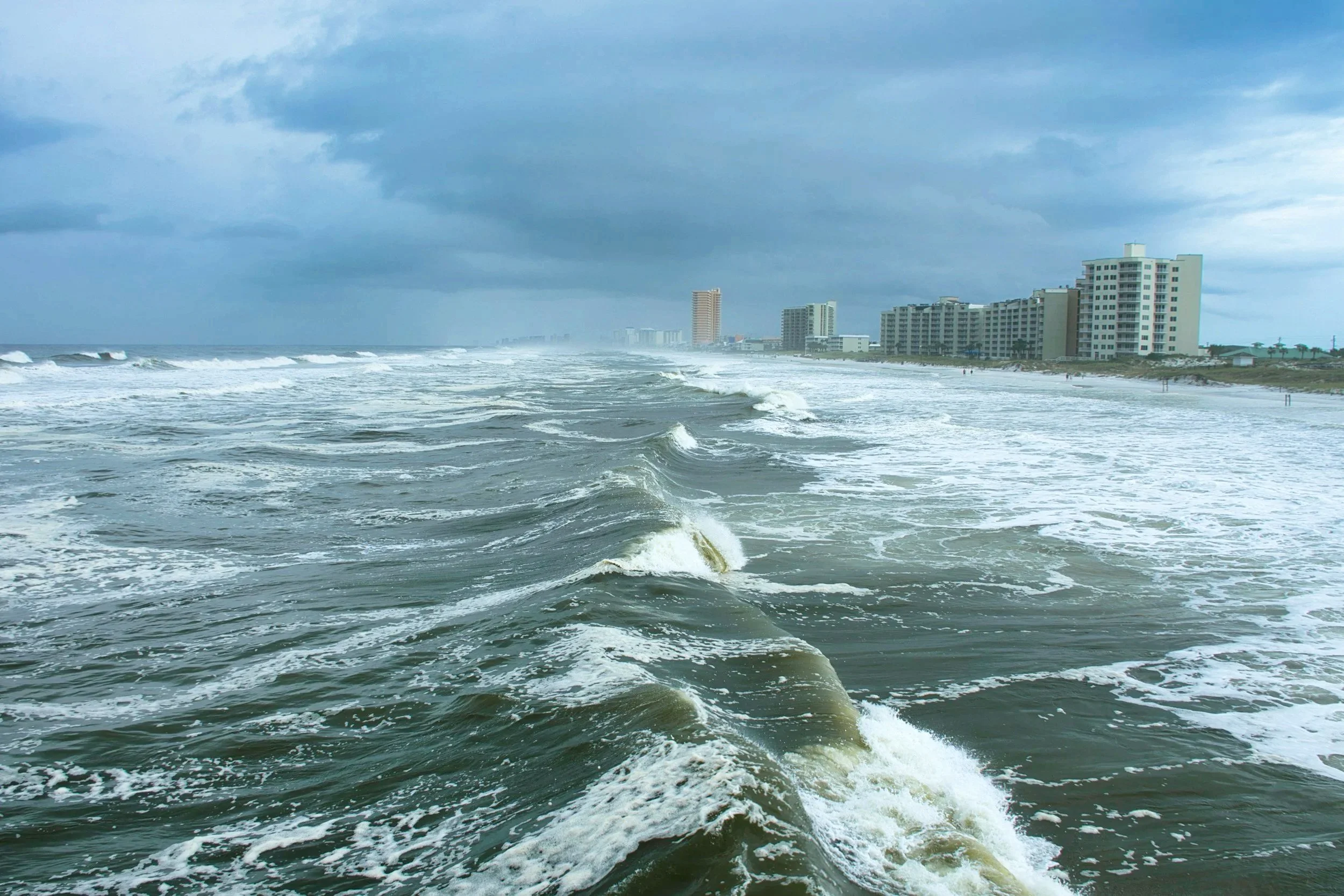
You may not be required to carry flood insurance in Florida—but that doesn’t necessarily mean you don’t need it.
One of the biggest misconceptions we hear about flood insurance is: “I’m not in a flood zone, so I don’t need flood insurance.”
The problem is, every property has some level of flood risk. A FEMA flood zone helps describe that risk, but it isn’t a guarantee that your home will—or won’t—flood. And because standard homeowners insurance generally doesn’t cover flood damage, understanding that risk is particularly important for Florida homeowners.
Let’s break down when flood insurance is required, when it’s optional and how to decide whether it’s worth adding to your insurance plan.
Want the full context? Read on. Need the quick version? The bolded sections highlight the most important takeaways.
Doesn’t My Homeowners Insurance Cover Flooding?
In short: no. Standard homeowners insurance in Florida generally excludes damage caused by flooding, including rising water and storm surge.
This can get confusing because homeowners insurance can cover certain kinds of water damage.
For example, if a hurricane damages your roof and rain enters through the opening, that resulting damage may be covered under your homeowners policy depending on its terms.
But if water rises from the ground and enters your home—whether from storm surge, overflowing waterways or an accumulation of surface water—that’s generally considered flooding and requires flood coverage.
Florida’s Department of Financial Services puts it simply: flood damage isn’t covered by your homeowners insurance policy. (FLDFS)
That’s why homeowners and flood insurance should be thought of as two different (but very important) pieces of your overall protection.
Is Flood Insurance Required in Florida?
Florida law doesn’t generally require every homeowner to carry flood insurance, but your mortgage lender or homeowners insurance carrier may require it in certain circumstances. (FLDFS)
One of the most common requirements applies when a home with a federally backed mortgage is located in a FEMA-designated Special Flood Hazard Area, or SFHA. In that situation, federal rules generally require flood insurance for the life of the loan.
If you own your home outright or your property isn’t subject to a lender’s flood insurance requirement, coverage may be optional. But there’s an important Florida-specific exception…
Citizens policyholders may be required to carry flood insurance, too.
If you have homeowners insurance through Citizens Property Insurance Corporation, Florida’s state-backed insurance carrier, different requirements apply.
Citizens has been phasing in a requirement for many residential policyholders with wind coverage to also carry flood insurance—even when the property is outside a FEMA Special Flood Hazard Area.
As of January 1, 2026, that requirement includes applicable properties with a dwelling replacement cost of $400,000 or more. Beginning January 1, 2027, it expands to applicable Citizens policies regardless of property value. Some policy types, including certain condominium unit-owner and tenant policies, are exempt. (Public)
So if you’re insured through Citizens, don’t assume flood coverage is optional simply because your lender doesn’t require it.
“I’m Not in a Flood Zone.” Do I Still Need Flood Insurance?
Being outside a high-risk flood zone doesn’t mean your home has no flood risk.
Technically, every property is located in a flood zone (we practically live at sea-level, after all)—the real question is what level of flood risk that zone represents.
Florida’s Department of Financial Services reports that approximately 25% of flood claims occur in low-risk areas. (FLDFS)
Our state has extensive coastline, low-lying terrain, heavy rainfall and exposure to tropical storms and hurricanes. Flooding can also result from overwhelmed drainage systems, overflowing waterways and intense rainfall—not just storm surge on beachfront property.
So while your FEMA flood zone is an important piece of information, it shouldn’t necessarily be the only factor you use to decide whether to buy flood insurance.
How Much Does Flood Insurance Cost in Florida?
There isn’t one standard price for Florida flood insurance, and being outside a high-risk flood area can make coverage more affordable than homeowners expect. Your premium can depend on factors such as your property’s flood risk, elevation, construction, coverage limits and the type of flood policy you choose.
Florida homeowners have more than one place to obtain coverage, too. Flood insurance may be available through the federal National Flood Insurance Program (NFIP) or through the private flood insurance market. Some private insurers offer standalone policies, while others may offer flood coverage as an endorsement to a homeowners policy. (FLDFS)
The coverage isn’t necessarily identical between those options, which is another reason to compare more than the premium.
Rather than assuming flood insurance will be too expensive, it’s worth finding out what coverage would actually cost for your property. You may be surprised by the options available!
Is Flood Insurance Worth It in Florida?
The simplest way to evaluate flood insurance is to compare the cost of transferring the risk to an insurance company with the amount you’d be comfortable paying yourself after a flood.
Imagine several inches of water entering your home. Now you’re potentially dealing with flooring, drywall, cabinets, furniture, electrical components, appliances and other damaged property—all at the same time.
If your homeowners insurance excludes that loss, how much of that expense could you comfortably absorb yourself?
That’s the real question.
For some homeowners, particularly those with significant flood exposure, purchasing flood insurance may be an easy decision.
For someone in a lower-risk area, the decision may be less obvious. But that’s exactly where it’s useful to get an actual quote rather than assuming you don’t need coverage.
Don’t compare the cost of flood insurance with $0. Compare it with the financial risk you’re choosing to keep if you don’t carry it.
Don’t Wait Until a Hurricane Is Coming to Buy Flood Insurance
If you decide flood insurance makes sense for your home, don’t wait until a storm is headed toward Florida to purchase it.
Flood policies can have waiting periods before coverage becomes effective.
NFIP policies, for example, generally have a 30-day waiting period, although certain exceptions apply. Private flood policies may operate differently, so you’ll want to confirm the effective date of the specific coverage you’re considering. (FLDFS)
That means hurricane season preparation should happen before there’s a named storm headed our way.
So, Do You Need Flood Insurance in Florida?
For some homeowners, the answer is easy: your lender or insurance carrier requires it.
For everyone else, it’s a risk decision.
Consider:
Your property’s flood zone and individual flood exposure
How much a flood policy would actually cost
What the policy covers
How much damage even a relatively small amount of flooding could cause
How much of that loss you could comfortably pay out of pocket
And remember that “not required” doesn’t mean “not at risk.”
You don’t have to make that decision based on a flood-zone letter and a Google search.
Warner Insurance can help you understand your property’s insurance options, compare available flood coverage and look at flood insurance as part of your overall Florida home protection—not as an isolated policy.
Want to know what flood insurance would actually cost for your home? Request a quote from Warner Insurance.